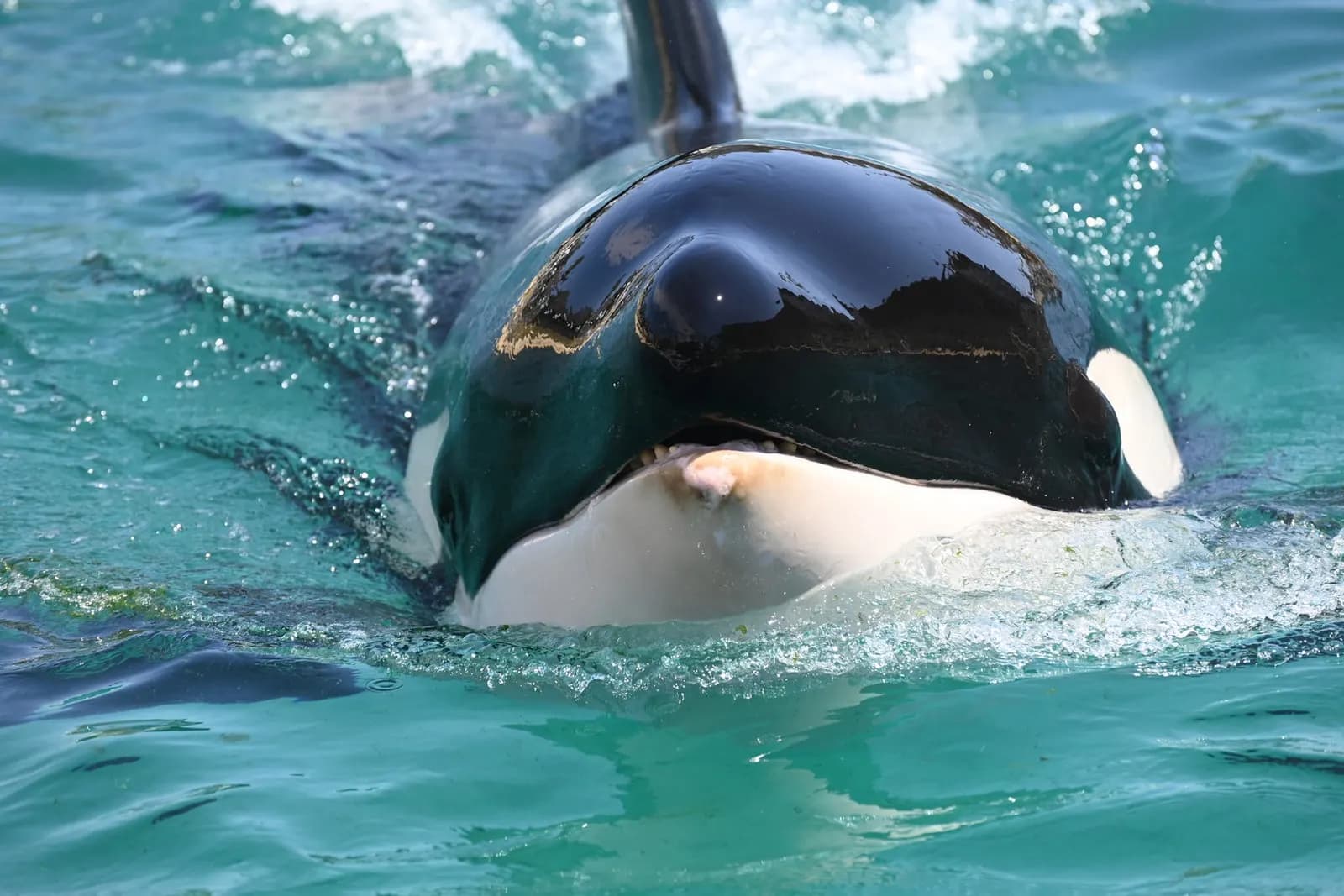
Ministerial decision on the future of the Marineland killer whales
A science based warming ignored, with serious risks for the animals.
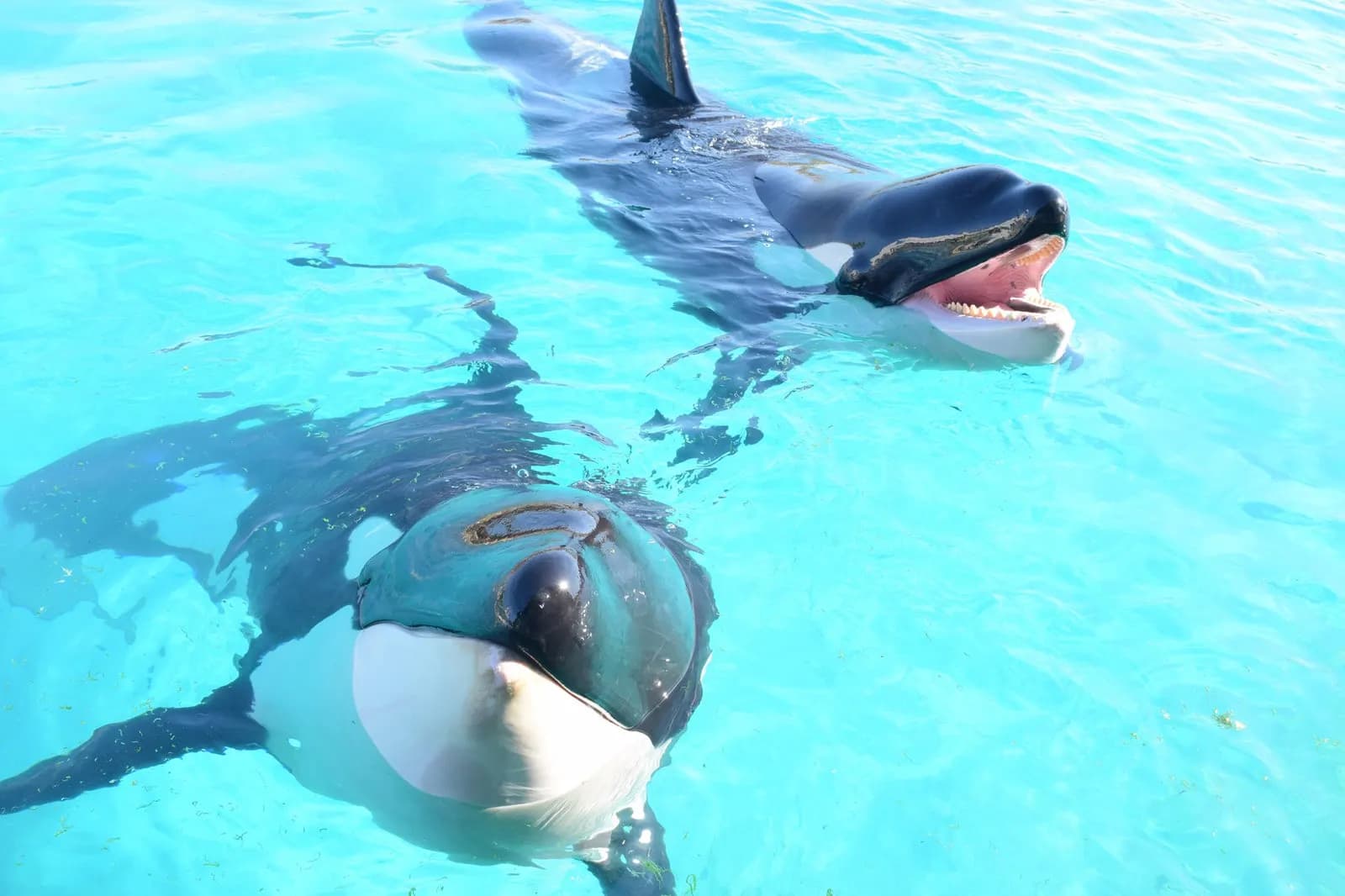
The European Association for Aquatic Mammals (EAAM) expresses deep concern following the announcement by French Minister Mathieu Lefevre regarding the fate of the two killer whales, Wikie and Keijo, housed at Marineland.
A decision made without expert input
This decision follows more than ten years of intense discussions, consultations, and legal proceedings, during which the zoological institutions consistently met regulatory and scientific standards. Yet, despite this lengthy process, no recognized French or international killer whale experts were consulted, and there was a complete lack of transparent, science-based debate.
Several realistic and immediately operational solutions were dismissed, raising questions about the motivations behind the decision.
It appears more aligned with a political desire to "close the file" than with the welfare of the animals involved.
What the animals actually need
From a scientific and operational perspective, priority must be given to the biological, social, and physiological needs of these highly social animals, including:
- stable and appropriate social groupings,
- specialized veterinary, ethological, and animal care expertise,
- environments adapted to long-term health and welfare;
- and integration into documented research and in situ conservation programs.
The sanctuary illusion
The promotion of a so-called “sanctuary”, marine enclosure, is deeply concerning. A similar experiment: the beluga relocation in Iceland started in 2019 has demonstrated the significant risks and limitations of this model: repeated delays, unsuitable environmental conditions, health and behavioral issues, and inadequate care compared to specialized facilities.
This attempt final result is to now maintain the animals in an indoor substandard pool open to visitors.
The concept of a “sanctuary” does not guarantee welfare per se and reflect a non scientifically based approach. Success depends on solid knowledge. not on political or public relations considerations.
EAAM's position
For over 50 years, EAAM has united veterinarians, biologists, ethologists, researchers, and animal care professionals who contribute directly to cetacean conservation and welfare, both in the wild and in captivity.
Our call is clear: decisions affecting these animals must be based on science, transparency, and expertise - not ideology or political expediency. - Martin Böye, president EAAM
We remain extremly concerd for Wikie and Keijo's future and urge all stakeholders to prioritize evidence based expert-led solutions trutly serving their well-being.
More from the Journal
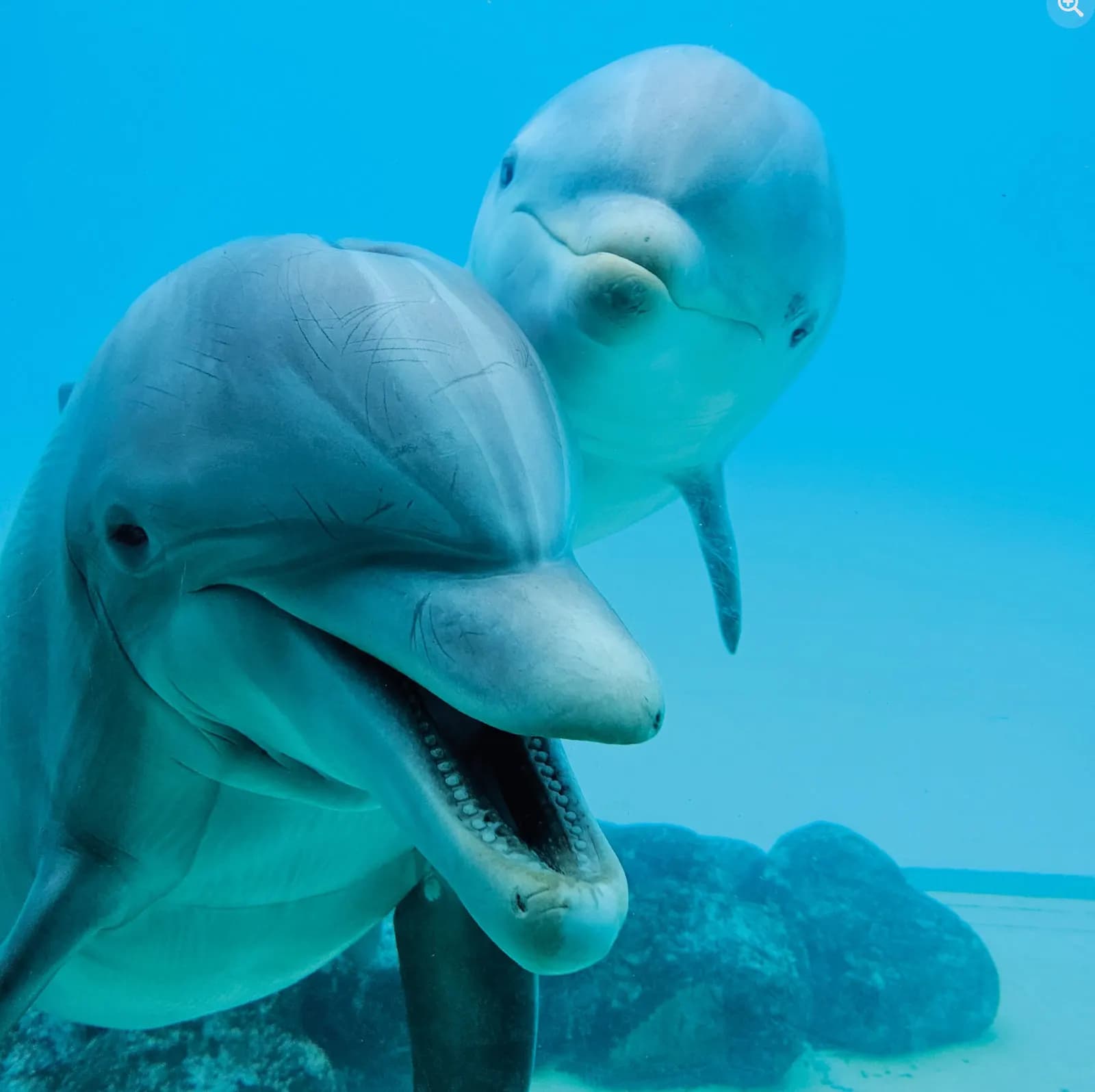
Progress, not prohibition: ensuring dolphin welfare, science and conservation in modern institutions
The European Association for Aquatic Mammals (EAAM) wishes to raise awareness about the risks created by the current public debate around cetaceans in modern institutions.While the…
Read article →Dolphins and orcas in danger: EAAM calls for a surge of responsibility
The European Association for Aquatic Mammals (EAAM), composed of dozens of experts and scientists specialized in cetacean behavior, care, research, and conservation, is sounding…
Read article →A Kiss from the Wild
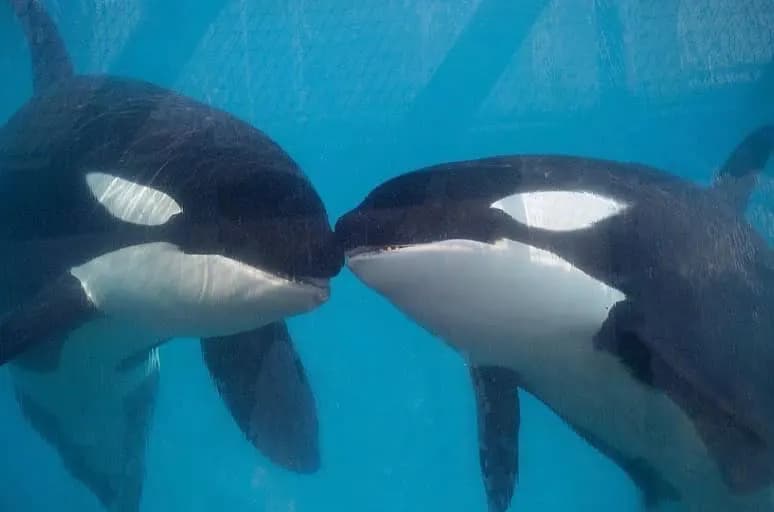
New Scientific document online! “A Kiss from the Wild: Tongue Nibbling in Free‑Ranging Killer Whales (Orcinus orca)” unveils the first-ever documentation of tongue-nibbling—a…
Read article →